

Does an ergonomic keyboard slow down your typing speed? Yes, temporarily. Speed often drops noticeably in the first few days as muscle memory resets, but research shows most people recover close to their old speed within about two weeks of regular use, and one study found participants matched their baseline speed after just two hours of practice.
- Cornell’s ergonomics program notes that alternative keyboards, including split designs, can cause an initial typing speed drop of up to 50 percent when you first switch.
- A controlled study found participants matched their flat-keyboard typing speed on a split, adjustable keyboard after about two hours of orientation and practice.
- Most people who stick with a new keyboard report their speed recovers within one to two weeks of regular daily use.
- A decent ergonomic keyboard costs $80 to $150. The real cost of switching is the practice time, not the keyboard itself.
- Quitting in the first week, right when speed is at its lowest, is the most common reason people conclude ergonomic keyboards do not work for them.

In this article:
- What actually happens to typing speed
- What the research says about the learning curve
- Who it’s worth it for
- Who should skip it
- How much a good one costs
- Ergonomic keyboard vs adjusting your typing technique
- Common mistakes that waste the money
- Frequently asked questions
What Actually Happens to Typing Speed
Switching keyboard layouts, even a modest split or contoured design, changes where your fingers land relative to where years of muscle memory expect them to be. For the first few sessions, you are consciously relocating keys your hands used to find automatically, and that conscious effort is slower than automatic recall by definition.
This is not a defect in the keyboard. It is the same pattern anyone sees switching between two different physical layouts, a work laptop and a personal desktop with keys spaced slightly differently, for example. The drop is real, it is temporary, and it fades in proportion to how often you actually type on the new board rather than switching back and forth.
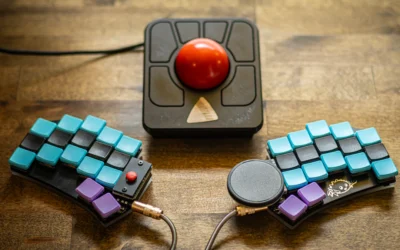
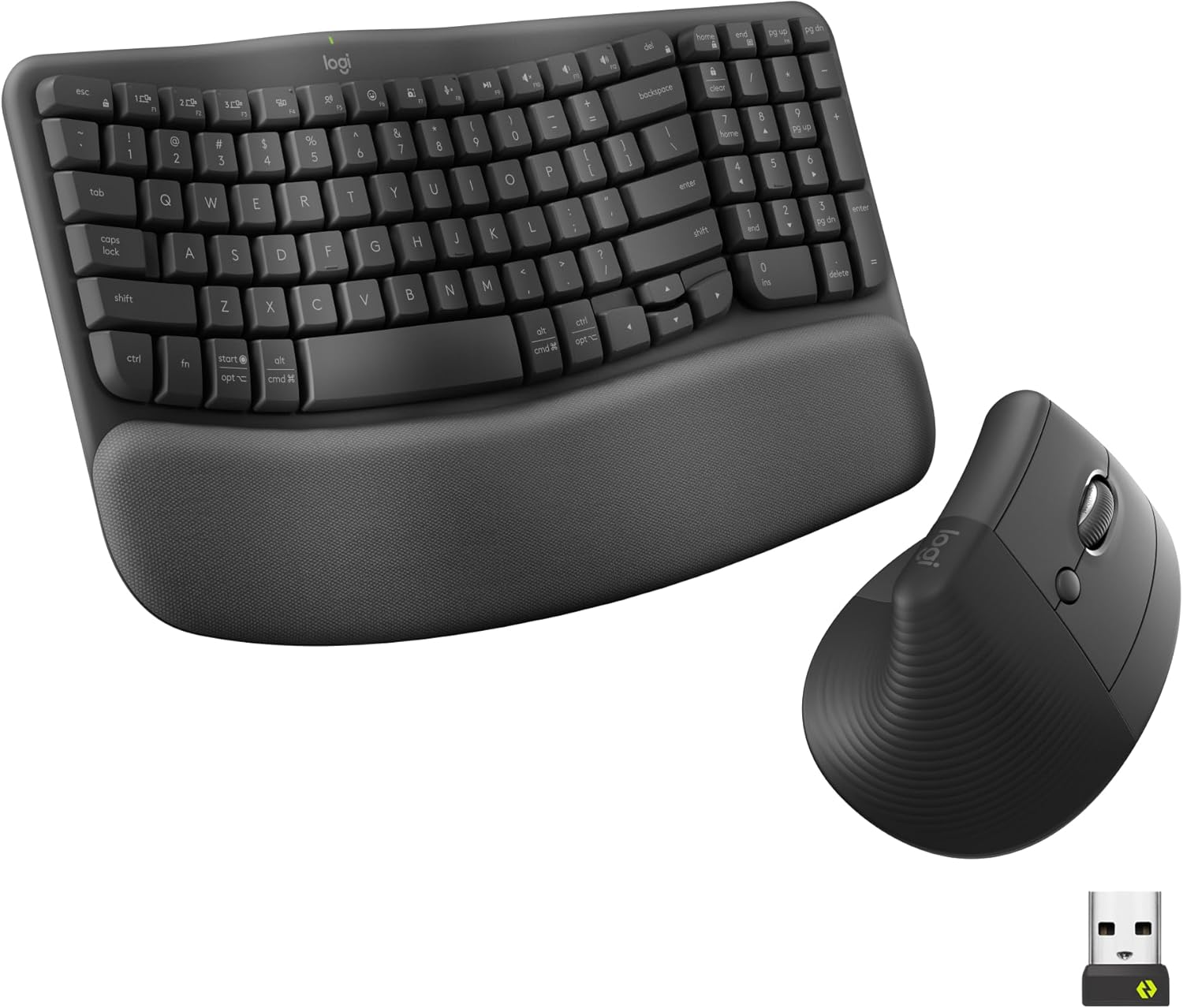
Split and contoured keyboards add one more variable: many also change your hand angle to reduce ulnar deviation, the sideways bend at the wrist that happens on a standard flat keyboard. That angle change means your fingers are not just relearning key locations, they are relearning the reach pattern itself, which is part of why the early slowdown can feel more pronounced than a simple layout change. A fixed-angle contoured board changes less than a fully split, independently angled one, which is part of why the two designs have such different reputations for how rough the first week feels.
What the Research Says About the Learning Curve
Cornell’s ergonomics program, which has studied alternative keyboard designs for decades, puts a real number on the initial hit: switching to an alternative split keyboard can cause typing speed to drop by as much as 50 percent at first. Their review of short-term lab studies found mixed results overall, some designs showed posture and comfort improvements alongside a temporary performance dip, while others showed no measurable benefit at all in short sessions (Cornell University Ergonomics Web (CUErgo), Computer Keyboard Design).
The more encouraging data point comes from a controlled study on a split, adjustable keyboard design: after about two hours of orientation and hands-on practice, participants typed as well on the split keyboard as they did on a standard flat one (Effects of a split keyboard design and wrist rest on performance, posture, and comfort). Two hours is a lab-controlled minimum, not a guarantee for everyone, but it shows the gap can close far faster than the two-to-three-week timelines often quoted in casual conversation.
Real-world adaptation for most people lands somewhere between those two data points. A couple of focused hours is unlikely to fully retrain habits built over years of daily typing, but weeks of hesitant, occasional use will also drag the process out longer than necessary. Consistent daily use in the first week or two matters more than raw hours logged. Fifteen focused minutes every day beats an occasional two-hour session once a week, since the relearning process depends on repetition more than total time spent.

Who It’s Worth It For
- Anyone typing for more than a few hours a day. The temporary speed cost is small relative to the total time you will spend on the keyboard afterward.
- People already noticing wrist or forearm discomfort. Mayo Clinic’s ergonomics guidance recommends keeping wrists straight and forearms in line with the keyboard, exactly the posture split and contoured designs are built around (Mayo Clinic, Office Ergonomics: Your How-To Guide).
- Anyone who can absorb a short dip in output. If your work has some slack in the first two weeks, a rough patch in typing speed will not cost you much.
- People planning to keep the same keyboard for years. A one-time adjustment period is a better trade the longer you plan to use the board afterward.
Who Should Skip It
Skip it, or at least delay it, if you are on a tight deadline this week and cannot afford even a temporary slowdown. Skip it if you switch between your own keyboard and shared or public computers constantly, since you will be relearning the layout every time you switch back, never fully settling into the new pattern. And skip it if you have tried an ergonomic keyboard before and gave up within the first two or three days. That is normal timing for the low point, not evidence the keyboard does not work for you specifically. A second attempt with a firm two-week commitment, rather than judging it day by day, is worth trying before writing off ergonomic keyboards altogether.
How Much Does a Good One Cost?
| Tier | Price Range | What You Get |
|---|---|---|
| Budget | $30-$60 | Fixed split angle, membrane switches, basic wrist rest |
| Mid-range | $80-$150 | Adjustable tenting or splay, mechanical or better membrane switches |
| Premium | $200-$350+ | Fully adjustable split halves, programmable layout, premium switches |
Most people do fine in the mid-range tier. A budget fixed-angle board is a reasonable way to test whether you tolerate the adjustment at all before spending more. See our picks for split ergonomic keyboards if you’re ready to buy, or our split vs standard ergonomic keyboard comparison if you have not settled on a design yet.
Ergonomic Keyboard vs Adjusting Your Typing Technique
Before spending money, it is worth ruling out the free fix. A lot of wrist strain and awkward posture comes from keyboard placement, not keyboard shape: a keyboard set too high, a desk with no room for your forearms, or a habit of resting your wrists on a hard edge while typing. Mayo Clinic’s guidance on keyboard position covers this directly, and it costs nothing to check.
None of this replaces a keyboard shape change if the discomfort is coming from ulnar deviation or wrist extension the layout itself causes, but it does mean a keyboard purchase should come after checking placement, not instead of it. If your posture is already correct and discomfort persists, that is a stronger signal an alternative keyboard shape will actually help. If you have never checked your keyboard height or wrist angle, start there first. Our guide to positioning your keyboard and mouse ergonomically covers the adjustment in detail, and it is worth doing even after you switch keyboards.
Common Mistakes That Waste the Money
- Giving up in the first three days. That is exactly when speed is at its lowest point, before any recovery has had time to happen.
- Switching back and forth between old and new keyboards constantly. Each switch resets some of the adaptation, stretching out the whole process.
- Buying the most extreme split design as a first keyboard. A fully split, heavily angled board has a steeper learning curve than a fixed-angle contoured one, and a rough first experience can sour you on ergonomic keyboards entirely.
- Ignoring desk and chair setup while blaming the keyboard. A new keyboard cannot fix a desk that is the wrong height or a chair with no armrests to match.
Frequently Asked Questions
How long does it take to regain full typing speed on an ergonomic keyboard?
Most people recover close to their original speed within one to two weeks of regular daily use. One controlled study found participants matched their baseline speed after about two hours of focused practice.
Will an ergonomic keyboard permanently make me a slower typist?
Unlikely if you use it consistently. The slowdown research documents is temporary and tied to the adjustment period, not a lasting effect of the keyboard shape itself.
Which ergonomic keyboard is fastest to adjust to?
Fixed-angle, less dramatically split designs generally have a shorter adjustment period than fully split, highly angled boards, since the key layout and hand position change less from a standard keyboard.
Do I need to already touch type to switch to an ergonomic keyboard?
No, but the adjustment experience differs. Touch typists are relearning finger positions from scratch, while hunt-and-peck typists are building new habits without as much existing muscle memory to unlearn.
Should I use typing tests to practice on a new ergonomic keyboard?
They can help, since focused, repetitive typing speeds up relearning more than occasional casual use. Short daily sessions tend to work better than one long session.
The speed drop is real, and it is normal. Most people who stick with an ergonomic keyboard through the first one to two weeks recover close to their old speed, and some research shows the gap can close in as little as a couple of hours of focused practice. The keyboards that fail people are usually the ones abandoned on day three, not the ones given a fair two-week trial.
Related reading: How Long Does It Take to Adjust to an Ergonomic Keyboard?


Write Your Review
No reviews yet. Be the first to share your experience!