

Sitting increases pressure on the discs in your lower spine, which can aggravate the nerve root behind sciatica. To relieve sciatica pain while sitting, use a seat with a waterfall front edge, adjust lumbar support to your exact curve, and stand and walk every 20 to 30 minutes.
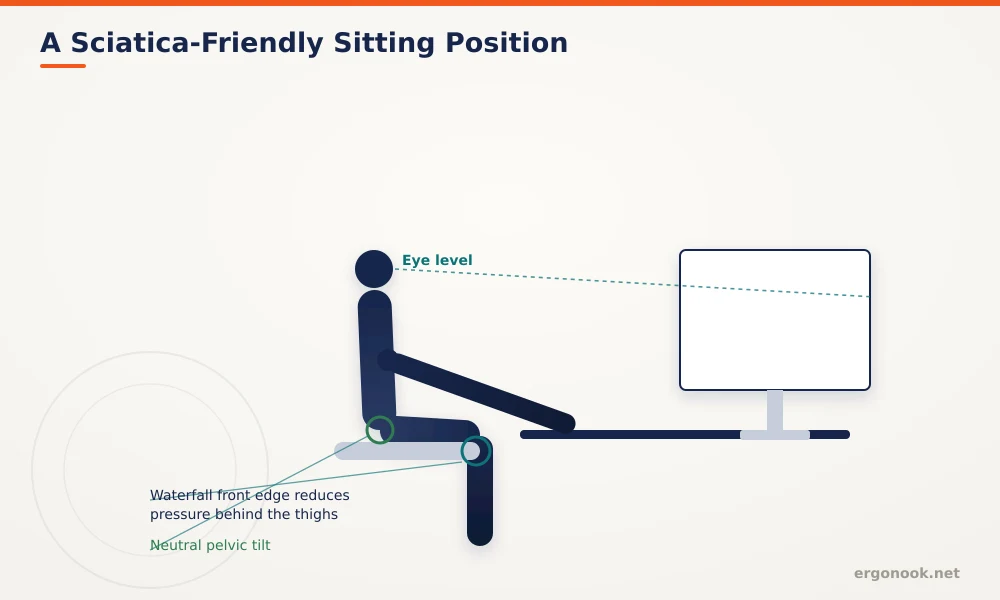
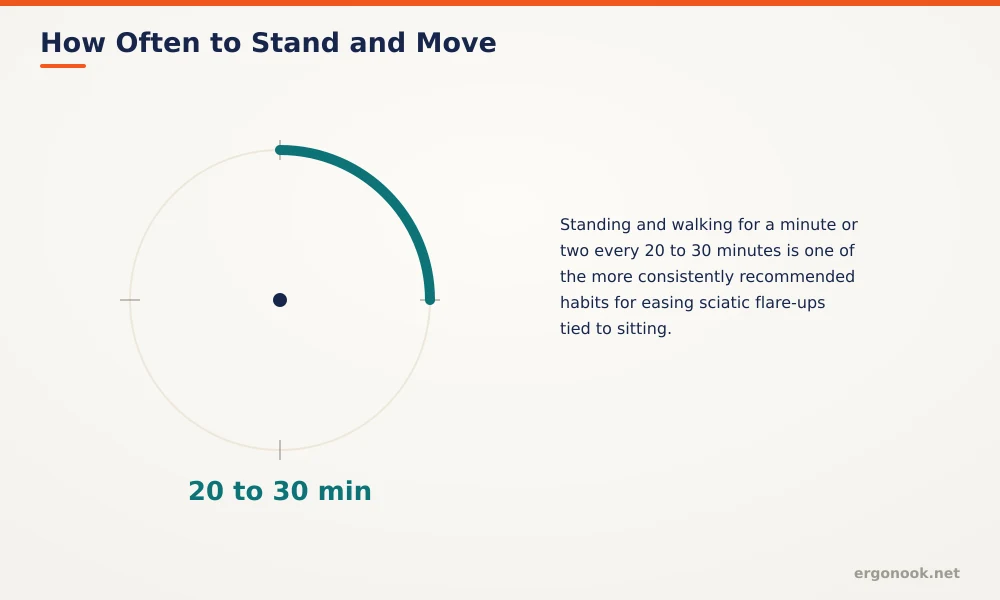
- Standing and walking for a minute or two every 20 to 30 minutes is one of the more consistently recommended habits for easing sciatic flare-ups tied to sitting.
- A seat with a waterfall front edge or forward tilt reduces pressure on the back of the thighs, the area already sensitive with sciatic irritation.
- Crossing your legs tilts the pelvis unevenly and adds pressure on one side of the lower back and hips.
- Cleveland Clinic notes that most people recover from sciatica with stretching, medication, or physical therapy, not a single product change.
This article is for general educational purposes and is not medical advice. If you have persistent pain, numbness, or tingling, talk to a doctor or physical therapist before changing your equipment or routine. For general workplace ergonomics guidance, see resources from OSHA and NIOSH.
In this article:
- Why sitting specifically aggravates sciatica
- 5 ways to relieve sciatica pain while sitting
- How to set up your workspace to prevent flare-ups
- Other habits that support sciatica relief
- When to see a doctor
- Frequently asked questions
Why Sitting Specifically Aggravates Sciatica
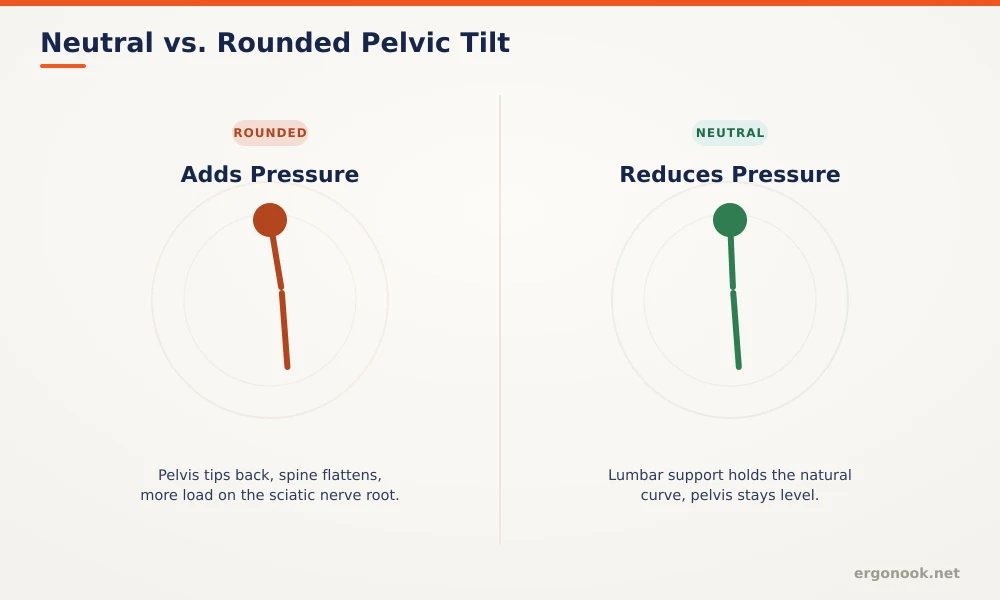
When you sit, your pelvis tends to tilt backward slightly compared to standing, which flattens the natural curve of your lower spine and can narrow the space around the nerve roots that make up the sciatic nerve. Sitting on a wallet or anything in your back pocket, crossing your legs for long periods, or slouching forward all add extra pressure on top of that baseline effect.
Cleveland Clinic describes sciatica as pain that follows the path of the sciatic nerve, from the lower back through the hip and down the leg, and lists prolonged sitting among the common aggravating factors (Cleveland Clinic). UnitedHealthcare’s guidance on managing sciatica points to the same mechanism: sustained pressure on the lower spine from sitting can irritate the nerve root further down the chain (UnitedHealthcare).
5 Ways to Relieve Sciatica Pain While Sitting
These five changes target the pressure points that tend to aggravate sciatic symptoms most.
1. Choose a Seat With a Waterfall Front Edge
A seat with a slight forward tilt or a cutout, waterfall front edge reduces pressure on the back of the thighs and can reduce the pelvic tilt that aggravates sciatic nerve irritation. Firm, supportive cushioning that doesn’t let your hips sink below your knees also helps keep your spine in a more neutral position.
2. Adjust Lumbar Support to Your Exact Curve
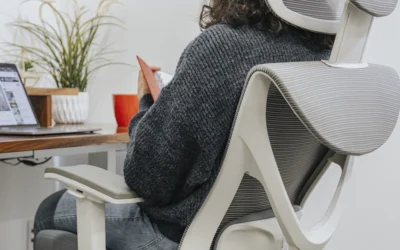
A chair with adjustable lumbar support that you can position at the exact curve of your lower back, rather than a fixed pad in one spot, gives you more control over reducing the specific pressure points that tend to aggravate sciatic symptoms.
3. Stand and Walk Every 20 to 30 Minutes
Even the best chair can’t fully offset hours of continuous sitting. Standing and walking for a minute or two every 20 to 30 minutes is one of the more consistently recommended habits for reducing sciatic flare-ups tied to sitting.
4. Keep Both Feet Flat, Don’t Cross Your Legs
Crossing your legs tilts the pelvis unevenly and adds pressure on one side of the lower back and hips. Keeping both feet flat on the floor spreads that pressure more evenly instead of concentrating it on one side.
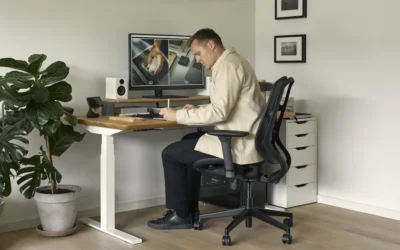
5. Fix Desk and Monitor Height to Stop the Forward Lean
If you have to lean forward to reach your keyboard or reach up to your monitor, that forward lean adds to the same pelvic tilt that aggravates sciatica. Keeping your keyboard at elbow height and your monitor at eye level reduces the tendency to slouch forward over a long sitting session.
How to Set Up Your Workspace to Prevent Sciatica Flare-Ups
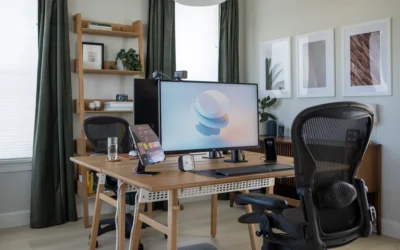
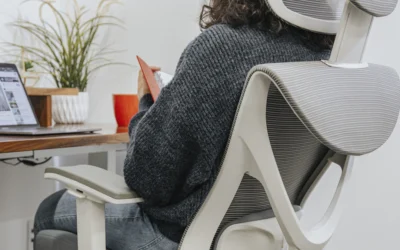
For chair shopping specifically, our chairs for back pain and sciatica roundup covers models scored on seat design and pressure relief rather than general comfort claims. Look for a waterfall front edge, adjustable lumbar support, and a seat depth that matches your thigh length, the same three features that matter most in the sections above.
Other Habits to Relieve Sciatica Pain While Sitting
Beyond the chair itself, a footrest can help if your feet don’t reach the floor, since dangling feet add extra pressure through the back of the thighs, an area already sensitive with sciatic irritation. Standing periodically to stretch, rather than only shifting position while seated, gives the nerve pathway a more complete break than adjusting your sitting posture alone. Some people also find a small rolled towel or cushion at the natural curve of the lower back helpful between sitting sessions, though this works best as a temporary aid rather than a permanent substitute for a chair with proper built-in support.
| Habit | Effect | Why |
|---|---|---|
| Feet flat, both on the floor | Helps | Spreads pressure evenly across the hips |
| Crossing your legs | Hurts | Tilts the pelvis unevenly |
| Waterfall front edge seat | Helps | Reduces pressure behind the thighs |
| Wallet or phone in your back pocket | Hurts | Adds uneven pressure under one hip |
| Standing and walking every 20 to 30 minutes | Helps | Breaks up sustained pressure on the nerve root |
| Slouching forward at the desk | Hurts | Increases the pelvic tilt that irritates the nerve |
When to See a Doctor
If you’ve made these adjustments consistently for several weeks and symptoms aren’t improving, or they’re getting worse, that’s a signal to reassess rather than keep tweaking chair settings. Sciatica has several possible underlying causes, some of which need treatment beyond what any workstation change can address. Cleveland Clinic recommends seeing a doctor if pain is severe, doesn’t improve with self-care, or comes with numbness, weakness, or loss of bladder or bowel control (Cleveland Clinic).
Frequently Asked Questions
Does a lumbar cushion help with sciatica while sitting?
It can reduce some of the pelvic tilt that aggravates symptoms, though a chair with built-in adjustable lumbar support generally gives more precise positioning than an add-on cushion.
Should I avoid sitting entirely if I have sciatica?
Reducing continuous sitting time helps, but the goal is regular movement and position changes rather than avoiding sitting altogether.
Is sitting good for sciatica or does it make it worse?
Sitting itself isn’t the enemy, prolonged sitting without movement is. Short, well-supported sitting sessions broken up by standing and walking are generally fine.
Can a wrong chair height make sciatica worse even with good lumbar support?
Yes. A seat that’s too high or too low changes your hip and knee angle regardless of how good the backrest is, so check height alongside lumbar and seat depth.
Sciatica management at a desk is rarely about finding one perfect product. It’s about reducing the combined load on your lower spine through several smaller changes working together. Give any new chair or routine change a few weeks before judging whether it’s helping, since gradual improvement is more typical than an immediate difference.


Write Your Review
No reviews yet. Be the first to share your experience!