

No, a lumbar cushion doesn’t work equally well on every chair. It fits best on chairs with a flat backrest and no built-in lumbar bulge, worth around $25 to $60. On a chair that already has adjustable lumbar support, strapping on a cushion often does more harm than good by pushing your spine too far forward.
- A 2013 study in Chiropractic and Manual Therapies found a lumbar support pillow moved seated posture closer to neutral and improved objective comfort scores, though the angle change was small.
- Chairs with a flat or mesh backrest and no built-in curve are the best fit for an add-on cushion.
- Chairs that already have adjustable lumbar support rarely need one, and stacking a cushion on top can overcorrect your posture.
- OSHA’s guidance ties good seated posture to the whole chair, seat depth and height included, not the cushion alone.
- Decent lumbar cushions run $25 to $60. Memory foam holds shape longer than cheaper fiberfill at the low end of that range.
In this article:
- What a lumbar cushion actually does
- What the research says
- Which chair types it fits
- Who it’s worth it for
- Who should skip it
- How much a good one costs
- Cushion vs built-in lumbar support
- Common mistakes
- Frequently asked questions
What a Lumbar Cushion Actually Does
A lumbar cushion fills the gap between your lower back and a flat chair backrest. Sit in most budget office chairs and your lower spine curves away from the seat back, leaving a gap that lets your posture slump as the hours pass. The cushion sits in that gap and pushes gently forward, helping keep the natural inward curve of your lower spine instead of letting it flatten out.
It’s a passive fix, not an active one. A cushion holds a shape. It doesn’t adjust itself as you shift position the way a chair’s built-in adjustable lumbar mechanism can, which is exactly why compatibility with your specific chair matters more here than with almost any other accessory in a home office.
What the Research Says
A study published in Chiropractic and Manual Therapies had 28 participants sit for 30 minutes in a standard office chair and again with a lumbar support pillow added. The pillow moved lumbar posture significantly closer to neutral and improved an objective measure of comfort, in both people with and without a history of low back pain (PubMed Central, The Effect of a Lumbar Support Pillow on Lumbar Posture and Comfort During a Prolonged Seated Task). The researchers were upfront that the actual angle change was small, and they called for more research on whether that translates into a real difference over months of daily use, not just one 30-minute session.
OSHA’s guidance frames lumbar support as one piece of a bigger picture. A well-adjusted chair needs the right seat height, seat depth, and backrest angle before lumbar support does much good on its own (OSHA, Computer Workstations eTool: Chairs). A cushion propping up a chair that’s the wrong height for you fixes one problem while leaving the bigger one in place.
None of this makes a cushion a treatment for existing back pain. It’s a posture aid, not a medical device, and ongoing pain is worth raising with a doctor or physical therapist rather than solving with seating accessories alone.
Which Chair Types It Fits
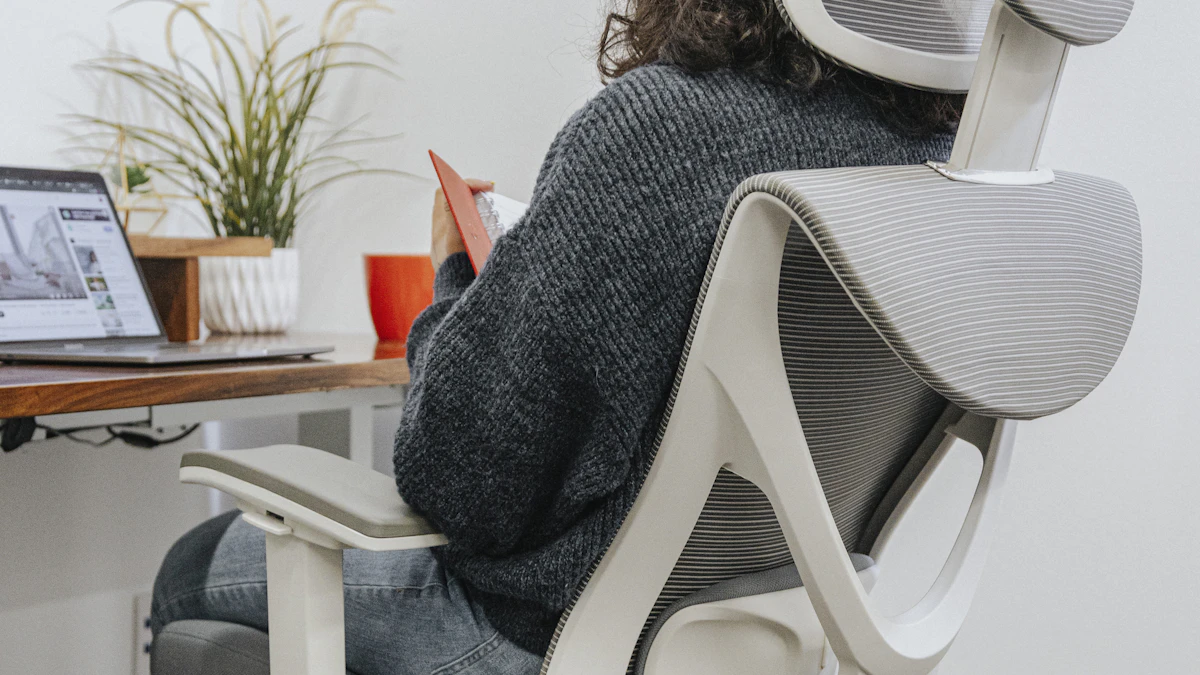
Flat-backed task chairs and budget mesh chairs are the best fit. These typically have a straight or barely curved backrest with no lumbar shaping built in, so a cushion adds support that genuinely wasn’t there. Most standard dining or kitchen chairs used as makeshift desk chairs fall into this category too.
Chairs with an adjustable lumbar knob or a molded lumbar bulge already built into the mesh or foam are a poor match. Adding a cushion on top pushes your spine further forward than the chair was designed for, which can feel like pressure in the wrong spot rather than support. If your chair already has this, see our guide to what lumbar support is and why it matters to check whether it’s simply set wrong before buying a cushion.
Car seats and gaming chairs sit in between. Most factory car seats have some lumbar shaping but less than a good office chair, so a thin, strap-on cushion can help on long drives without overcorrecting. Gaming chairs vary widely, some ship with a lumbar pillow already included, which makes a second cushion redundant rather than helpful. Check what’s already there before adding more. For a chair built specifically around this problem, our picks for lumbar support cushions cover models sized for different chair depths.
Who a Lumbar Cushion Is Worth It For
- Anyone on a flat-backed or budget mesh chair. This is the exact gap a cushion is built to fill.
- People who slump by mid-afternoon. If you catch yourself sliding down in the seat a few hours in, a cushion gives your lower back something to lean into.
- Renters or hybrid workers using a shared or borrowed chair. A cushion travels with you and works on whatever chair shows up, unlike a chair swap.
- Anyone whose chair’s built-in lumbar support is stuck or broken. A cushion is a cheaper fix than replacing the whole chair.
Who Should Skip It
Skip it if your chair already has adjustable lumbar support that you’ve actually dialed in correctly. Try adjusting what you have before adding anything on top of it. Skip it too if you have a diagnosed spine condition like spinal stenosis, since forcing extra curve into your lower back isn’t automatically the right move for every spine, and a doctor or physical therapist is a better judge of that than a product review. And skip it if your main complaint is tailbone pain rather than lower back fatigue, since that’s a different problem with a different fix, covered in our seat cushion for tailbone pain guide.
How Much Does a Good Lumbar Cushion Cost?
| Tier | Price Range | What You Get |
|---|---|---|
| Budget | $15-$25 | Fiberfill or basic foam, flattens within months of daily use |
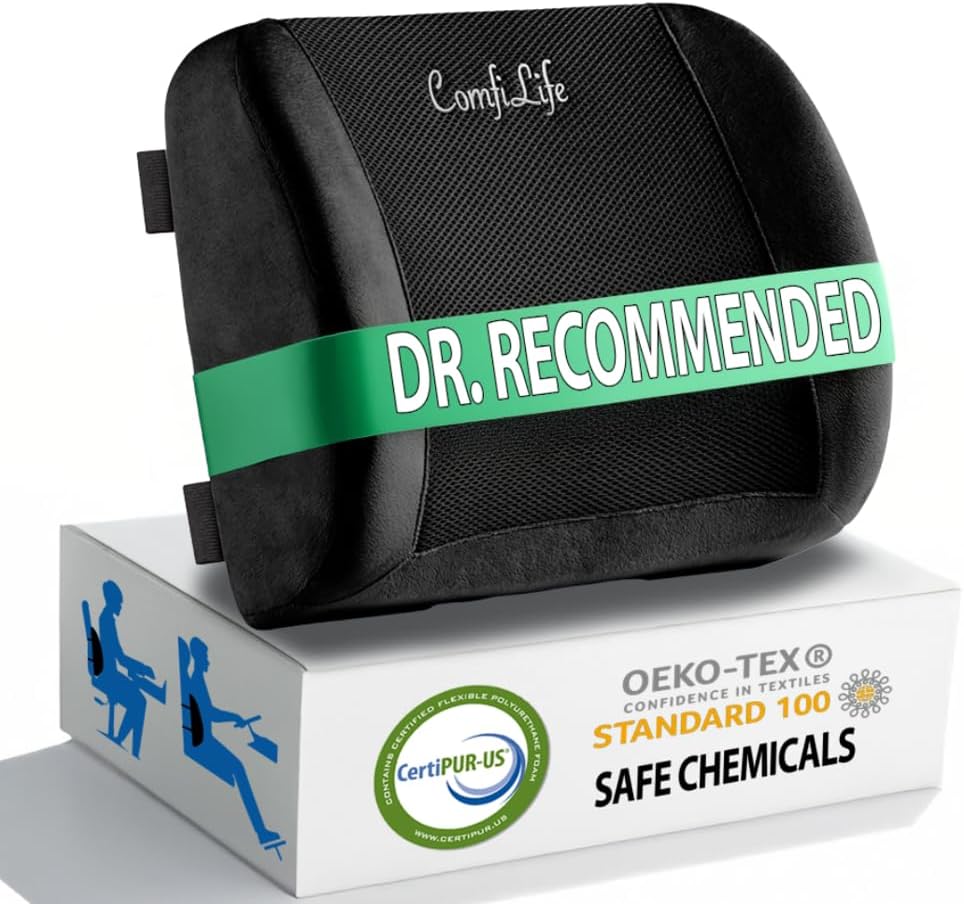
| Mid-range | $25-$45 | Memory foam, adjustable strap, holds shape over years |
| Premium | $50-$80 | Contoured memory foam, breathable cover, adjustable height on the strap |
Mid-range is the sweet spot for daily use. Budget fiberfill cushions compress flat within a few months of full-time sitting, at which point you’re buying a second one anyway, so the mid-range price often works out cheaper over a year.
Lumbar Cushion vs Chairs With Built-In Lumbar Support
A chair with genuine adjustable lumbar support, one you can move up, down, and sometimes in and out, beats a cushion for anyone sitting eight hours a day. It moves with you as you shift position, which a fixed cushion can’t do.
The tradeoff is cost and commitment. A chair with real adjustable lumbar support usually starts well above $150, versus $25 to $60 for a cushion on the chair you already own. If you’re renting furniture, sharing a chair, or just not ready to replace what you have, the cushion is the lower-risk starting point. If you’re already shopping for a new chair anyway, put the money into the chair instead of a cushion you’ll likely stop using once the new chair arrives. Measure your current chair’s backrest before you decide either way, since a flat backrest is the one detail that makes a cushion worth buying at all.
Common Mistakes
- Strapping it onto a chair that already has lumbar support. You end up with too much curve, not better support.
- Positioning it too high. It belongs at the small of your back, roughly belt height, not up between your shoulder blades.
- Buying one too thick for your chair’s depth. An oversized cushion pushes you too far forward and shortens your seat depth, cutting circulation behind your knees.
- Expecting it to fix pain from a chair that’s the wrong height entirely. Fix seat height and depth first, then add lumbar support, not the other way around.
Frequently Asked Questions
Can I use an office lumbar cushion in my car?
Many work fine, but check the strap length against your car seat first. Car seats are usually narrower and more curved than office chairs, so a bulky office cushion can sit awkwardly.
Do gaming chairs need a separate lumbar cushion?
Often not. Most gaming chairs ship with a lumbar pillow included, so check what came in the box before buying a second one.
Where exactly should a lumbar cushion sit on my back?
At the small of your back, roughly where your belt sits, not higher up near your shoulder blades. Too high and it pushes your upper back forward instead of supporting your lower spine.
Will a lumbar cushion work on a mesh chair?
Yes, as long as the mesh backrest is flat rather than pre-curved. A flat mesh back is actually one of the better matches for an add-on cushion.
How long does a lumbar cushion typically last?
Budget fiberfill cushions often flatten within 6 to 12 months of daily use. Memory foam versions commonly hold their shape for 2 to 3 years or longer.
A lumbar cushion works best as a targeted fix for a flat-backed chair, not a universal upgrade for every seat. Check what your chair already has built in before adding one, and if your chair already adjusts, use that first.



Write Your Review
No reviews yet. Be the first to share your experience!