

Mesh is the better choice for most home offices, especially in warm climates or if you sit for long stretches. It stays cooler against your back and holds up well over years of daily use. Padded fabric wins for shorter sitting sessions or cold offices, where the extra cushioning feels warmer and softer from the first minute.
- Research on seating materials found that lower-airflow surfaces raise skin temperature and moisture at the body-seat interface during sitting, the mechanism behind why mesh feels cooler than fabric.
- A chair certified to ANSI/BIFMA X5.1 standards is rated to handle years of daily use regardless of material, so certification matters as much as the mesh-vs-fabric choice.
- Mesh chairs typically run $150 to $400. Padded fabric chairs with a comparable frame run $100 to $350.
- Padded fabric feels warmer and softer for the first hour, which matters more in cold offices or for anyone who sits for shorter stretches.
- Hybrid chairs, mesh back with a padded fabric seat, are common and solve the two biggest complaints of each material at once.
| Feature | Mesh | Padded Fabric |
|---|---|---|
| Breathability | High, air moves through the weave | Lower, traps heat against your back |
| Cushioning feel | Firmer, less give | Softer, more plush at first |
| Typical cost | $150-$400 | $100-$350 |
| Durability | Weave can tear under repeated stress, no foam to compress | Foam compresses and fabric wears over years |
| Cleaning | Wipes clean, resists stains | Absorbs spills, may need fabric cleaner |
| Cold weather comfort | Can feel cool or hard | Feels warmer, cozier |
| Best for | Long hours, warm climates | Shorter sessions, cold offices |
In this article:
- What is a mesh office chair?
- What is a padded fabric office chair?
- Breathability and temperature
- Durability
- Cost
- When mesh is the better choice
- When padded fabric is the better choice
- Can you get both in one chair?
- Frequently asked questions
What Is a Mesh Office Chair?
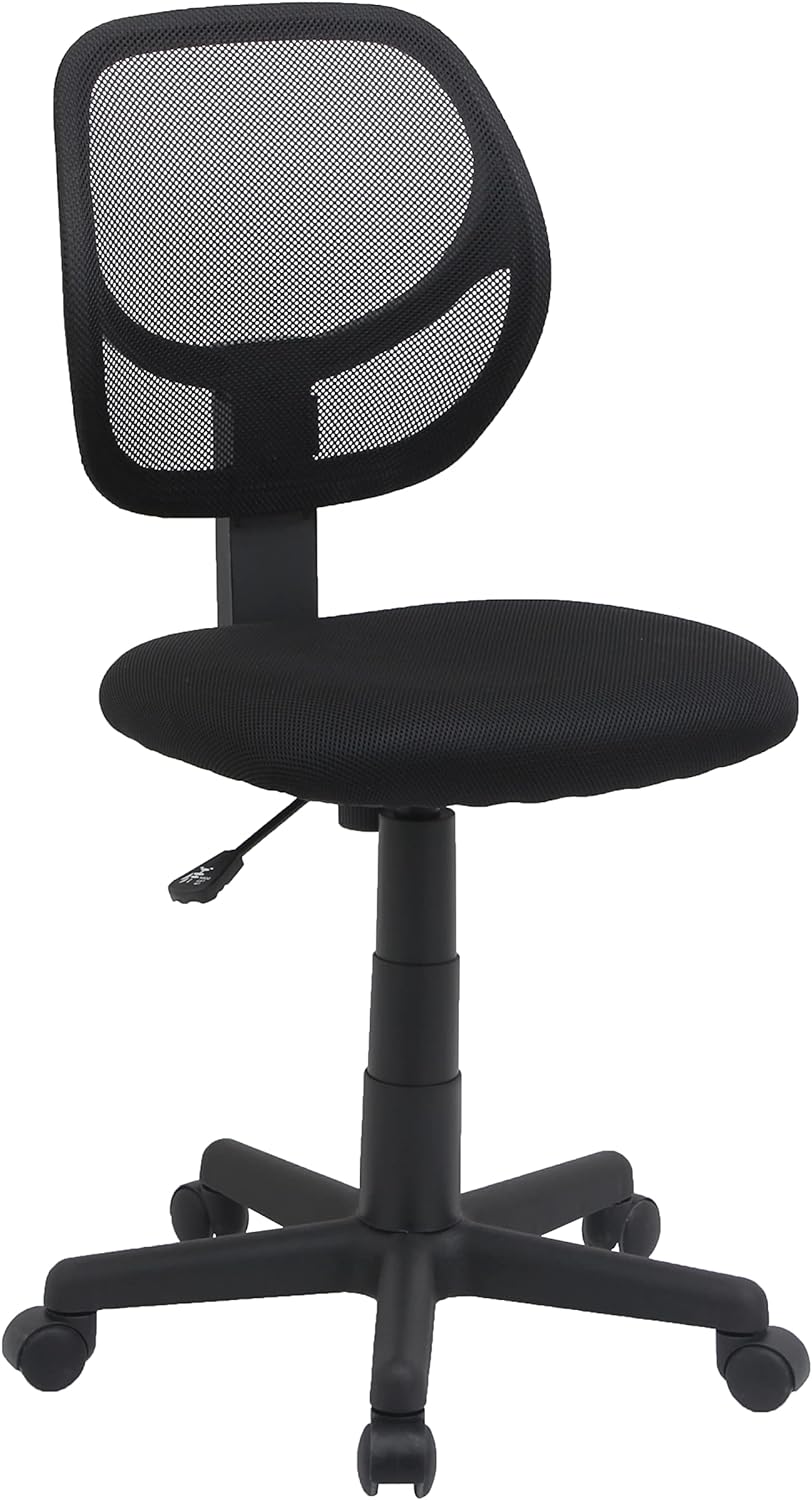
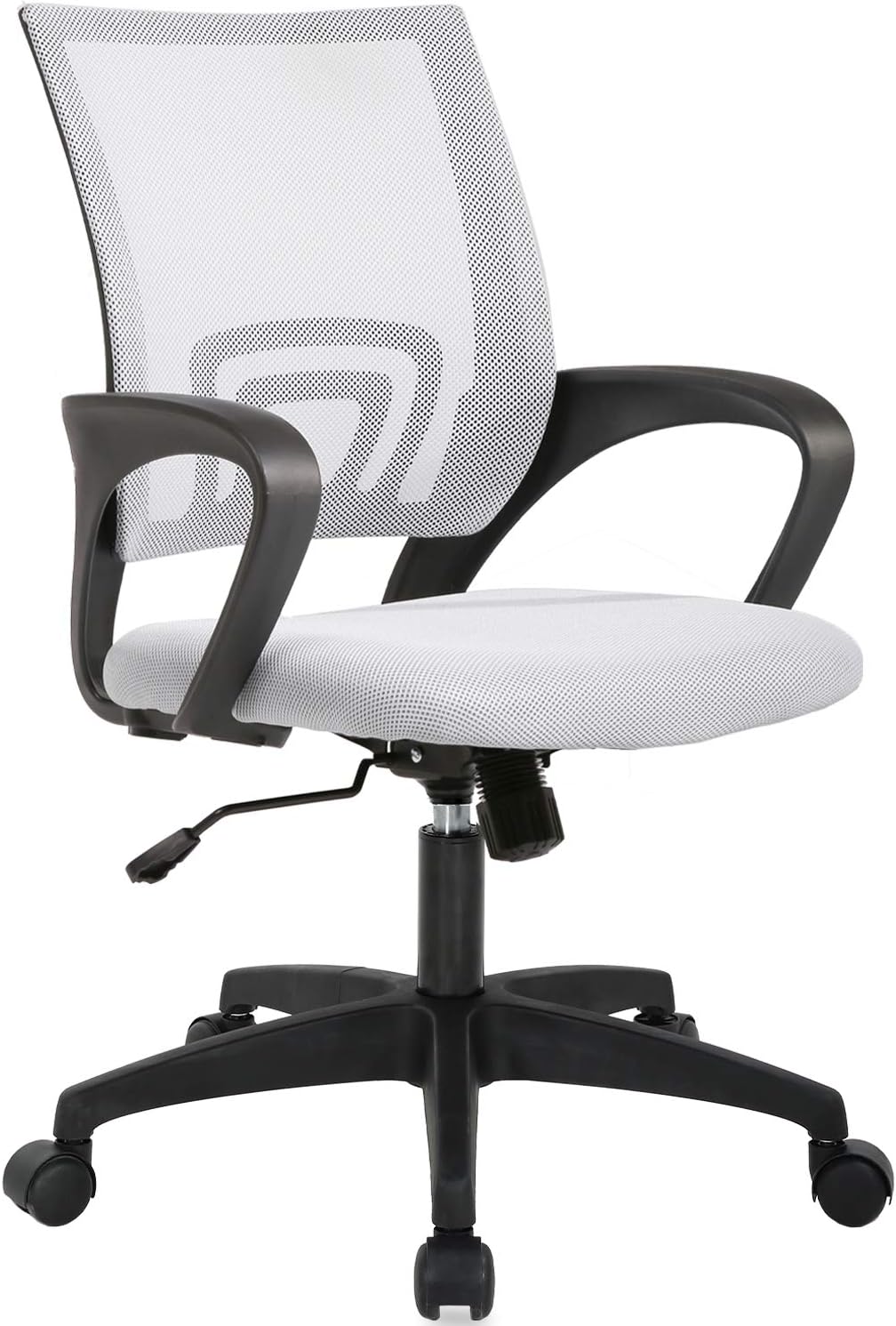
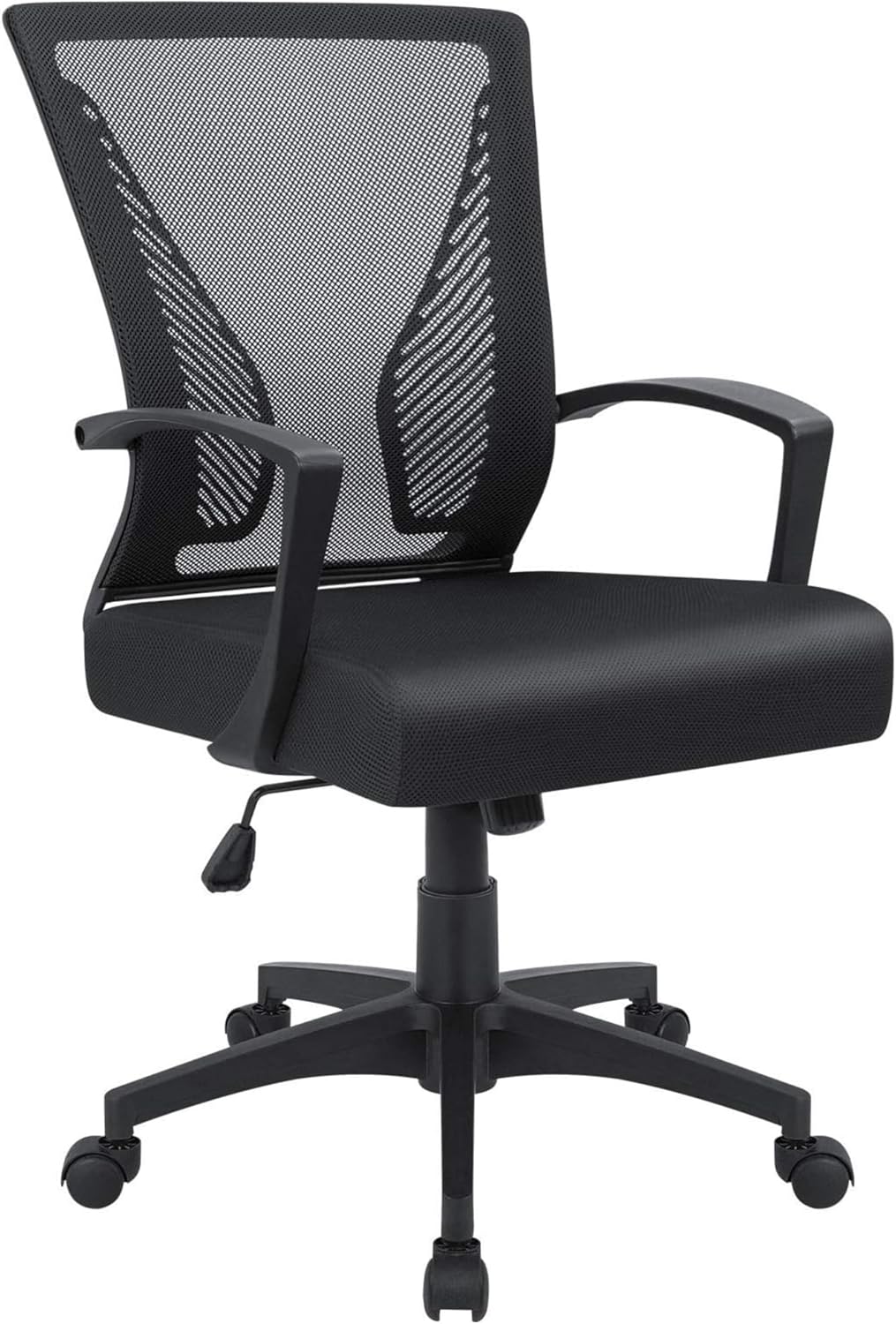
A mesh office chair uses a woven synthetic fabric, usually polyester or nylon stretched over a frame, instead of foam padding for the back and sometimes the seat. The weave flexes under your weight and lets air pass through it, which is the whole point of the material. Most mesh chairs still use foam on the seat pan itself, with mesh reserved for the backrest where airflow matters most. The tension of the weave does most of the support work, so a well-made mesh back flexes slightly with your spine instead of staying rigid the way a padded backrest does.
What Is a Padded Fabric Office Chair?
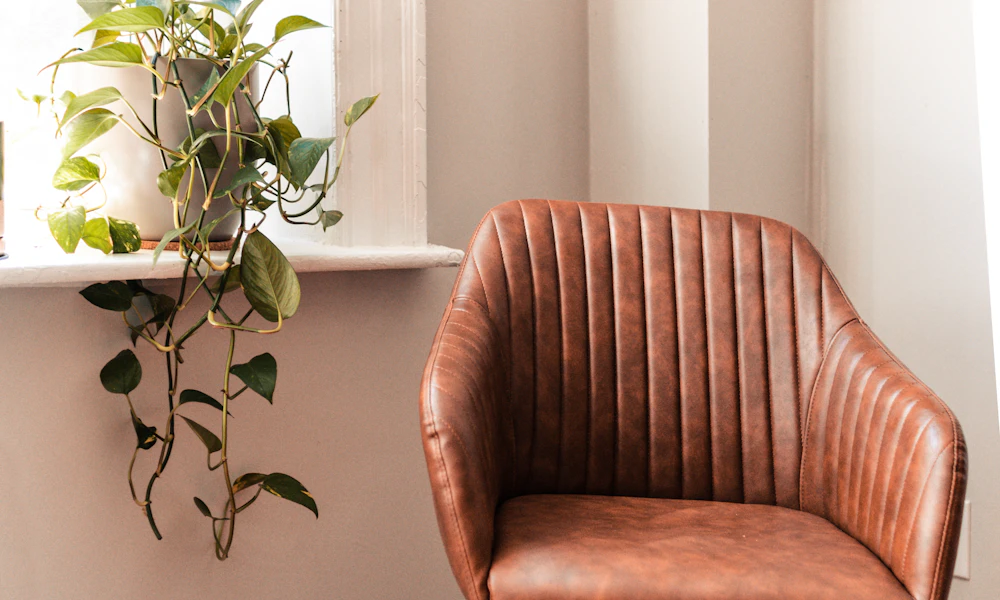
A padded fabric chair uses a layer of foam under a woven or knit fabric cover, on both the seat and the back. The foam compresses under your weight and slowly rebounds, giving the cushioned feel people associate with a comfortable chair. It’s the same basic construction as a couch cushion, scaled down and shaped for sitting upright at a desk. Foam density varies a lot between budget and premium models, and that density, more than the fabric itself, is what determines whether the chair still feels supportive after a year of daily use.
Mesh vs Fabric: Breathability and Temperature
This is the difference people notice fastest. Research measuring temperature at the seat-subject interface across different seating materials found that surfaces with less airflow trap more heat and moisture against the skin during sitting, while more breathable materials keep the surface cooler over time (PubMed, Studying Thermal Characteristics of Seating Materials). Mesh’s open weave is built around exactly this problem: air moves through it instead of getting trapped, so heat and moisture don’t build up against your back the way they can on a solid, padded surface.
A related study on cushion properties found that surfaces with higher thermal insulation and lower vapor permeability raise skin temperature and humidity at the body-support interface, which is the technical way of describing the sweaty-back feeling padded chairs can cause after an hour or two (PubMed, The Effect of Cushion Properties on Skin Temperature and Humidity). If you live somewhere hot, or your home office doesn’t have great air conditioning, this is the single biggest reason to lean mesh.
Mesh vs Fabric: Durability
Both materials can hold up for years, but they fail differently. A chair certified to ANSI/BIFMA X5.1, the industry standard for general-purpose office chairs, is rated to withstand years of daily use regardless of which material covers it, so checking for that certification matters more than the material choice on its own (BIFMA, Work Chairs Standards).
Where they differ is the failure mode. Mesh has no foam to compress, so it doesn’t develop the sagging, flattened-out feel padded seats get after a few years. Its weak point is the weave itself, which can stretch or tear under repeated stress at the same spot, usually where you lean back hardest. Padded fabric fails the opposite way: the foam compresses gradually, the cushion loses its bounce, and the fabric cover can wear thin or pill at contact points, but there’s no weave to rip.
Mesh vs Fabric: Cost
Mesh chairs typically run $150 to $400 for a home-office-appropriate model, since the weave and the frame that keeps it taut both add manufacturing cost. Padded fabric chairs cover a wider range, $100 to $350, since basic foam-and-fabric construction is cheaper to produce at the low end, though premium padded chairs with high-density foam can cost as much as a good mesh chair. At the budget end, under $150, fabric usually gets you a more comfortable-feeling chair than mesh at the same price point, since cheap mesh tends to feel thin and flat rather than supportive. On the resale market, well-known mesh chairs tend to hold value a bit better than padded fabric, since buyers can usually tell a stretched or torn mesh weave at a glance, while a compressed foam seat is harder to spot in photos.
When Mesh Is the Better Choice
Pick mesh if you sit for six or more hours a day, work somewhere warm, or you’ve had a padded chair leave your back feeling sweaty by mid-afternoon. It’s also the better pick if you tend to keep chairs a long time and want to avoid the sagging foam feel a few years in. A home office in a converted garage or a south-facing room that runs warm most of the year is a good real-world case for mesh over fabric. See our picks for mesh office chairs for models that balance breathability with real back support.
When Padded Fabric Is the Better Choice
Pick padded fabric if your office runs cold, you sit in shorter stretches through the day, or you simply prefer a softer feel against your back from the moment you sit down. It’s also the more forgiving choice on a tight budget, since a decent padded chair under $150 usually beats a cheap mesh chair at the same price. Basements and older homes without central air are a common case where padded fabric wins, since the room already runs cool and a mesh chair on top of that can feel closer to cold than comfortable.
Can You Get Both in One Chair?
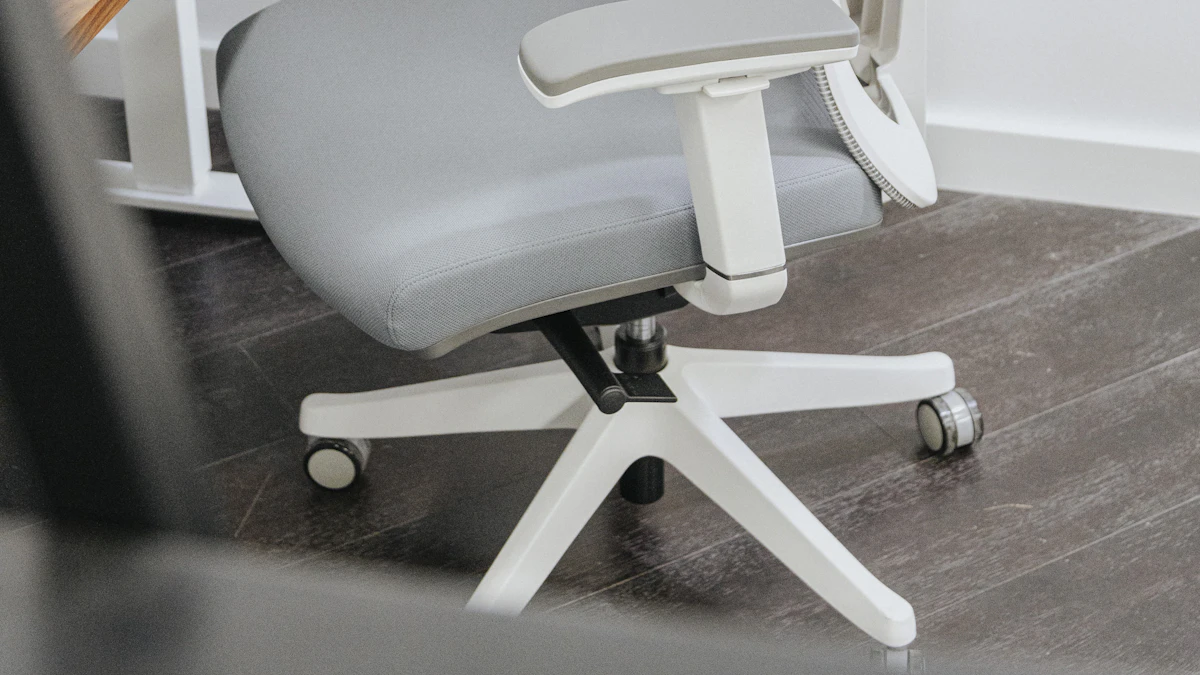
Yes, and it’s a common design. A hybrid chair pairs a mesh backrest with a padded fabric or foam seat, which addresses the two biggest complaints at once: a sweaty back from a solid backrest, and a hard, unsupportive feel from a bare mesh seat pan. If you can’t decide between the two materials, a hybrid is a reasonable default rather than a compromise. The main downside is cost, since combining two materials on one frame usually lands at the higher end of both price ranges, closer to $250 to $450 for a hybrid model with a decent frame. Our guide to mesh vs leather office chairs covers a related comparison if leather is also on your shortlist.
Frequently Asked Questions
Is a mesh chair uncomfortable in a cold office?
It can feel cooler and firmer than padded fabric, especially in the first few minutes of sitting down. If your office runs cold, padded fabric or a hybrid design is usually more comfortable.
Do mesh chairs last longer than fabric chairs?
Often yes, since there is no foam to compress and sag over time. The tradeoff is that the weave itself can stretch or tear under repeated stress, usually at the point where you lean back most.
Which is easier to clean, mesh or fabric?
Mesh generally wipes clean and resists stains better, since spills mostly pass through the weave rather than soaking in. Padded fabric can absorb spills and may need a fabric cleaner to fully remove a stain.
Does mesh provide less back support than padded fabric?
Not necessarily. Support comes mainly from the frame and lumbar design, not the surface material. A well-built mesh chair with proper lumbar support can outperform a poorly designed padded chair. The adjustment mechanisms, lumbar support, seat depth, armrest height, matter more for support than whichever material covers the frame.
Is a hybrid mesh-and-fabric chair worth the extra cost?
Often yes, since it addresses the main complaint about each material, a sweaty back from solid padding and a hard seat pan from bare mesh, without asking you to choose one drawback over the other.
How do I know if a chair is BIFMA certified?
Check the product listing or the manufacturer’s site for an ANSI/BIFMA X5.1 mention. Reputable office chair brands list it directly, and it applies to mesh and fabric chairs equally.
For most home offices, mesh is the safer default, especially if you sit for long stretches or work somewhere warm. Padded fabric still makes sense for cold rooms, shorter sitting sessions, or tighter budgets, and a hybrid design is worth a look if you don’t want to fully commit to either.




Write Your Review
No reviews yet. Be the first to share your experience!